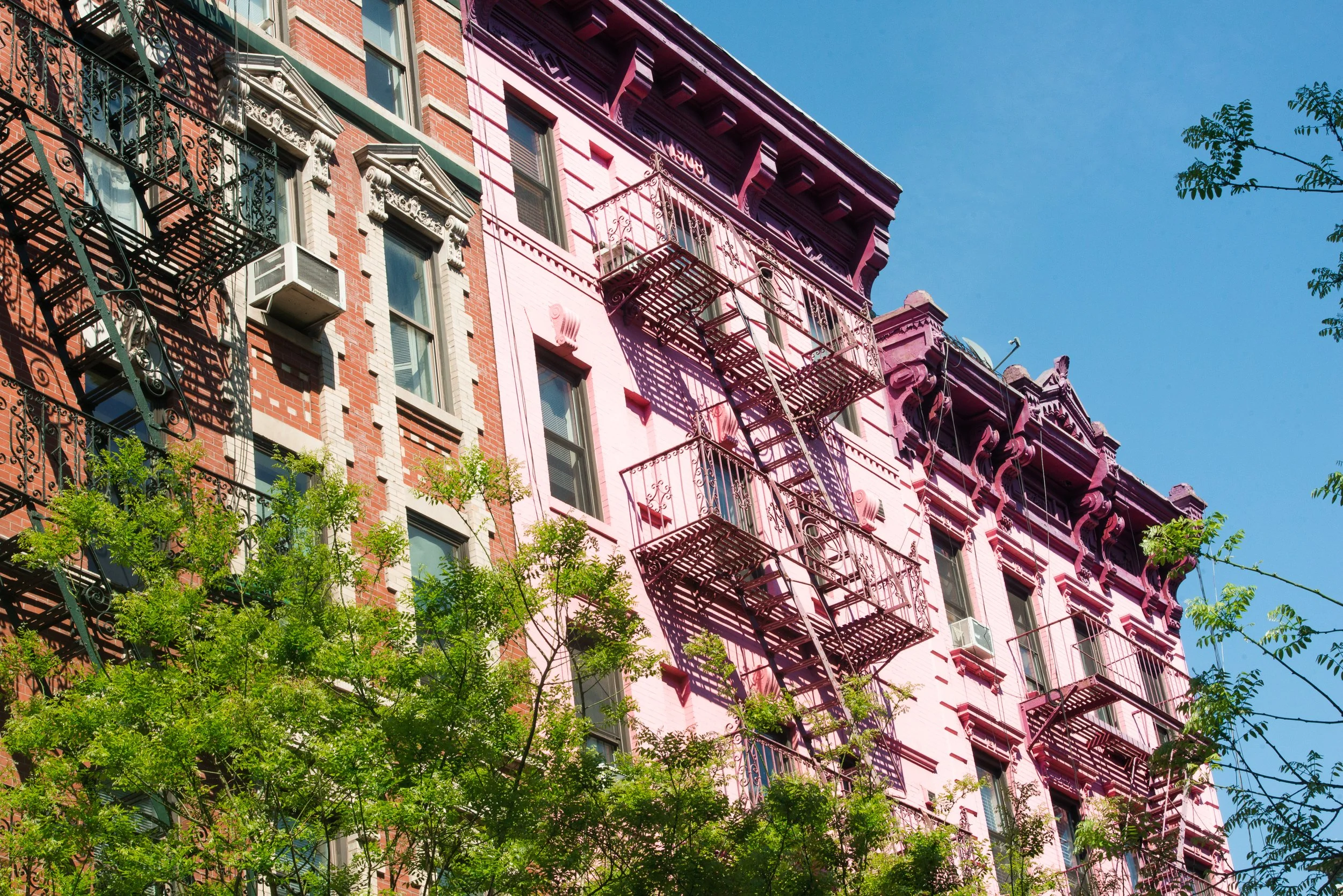
A low monthly maintenance bill is good news. But what happens when the elevator breaks, the roof leaks, or the building runs short of money? Here's why financial planning matters for the long-term stability of NYC's HDFC cooperatives.
An affordable apartment is a big achievement, especially in New York City, where housing costs can make homeownership feel out of reach.
For many New Yorkers, Housing Development Fund Corporation (HDFC) cooperatives offer an opportunity to own a home at a more affordable price. Lower maintenance costs and reduced property taxes can help make that possible.
But there's another side of affordability that deserves attention:
Can the building afford to maintain itself over the long term?
A building can offer relatively low monthly maintenance and still struggle to pay for major repairs, rising utility bills, insurance, and other operating expenses.
That doesn't mean HDFC housing is financially unhealthy. It means affordability needs more than a low monthly payment. It also requires planning, responsible management, and enough money to keep the building running.
Let's take a closer look at why a building's financial health matters just as much as the affordability of an apartment.
1. A Property Tax Break Doesn't Pay for Everything
One of the benefits of many HDFC cooperatives is reduced real estate taxes.
HDFC buildings may receive property tax exemptions or reductions, subject to applicable affordability requirements and the terms of their tax benefit and regulatory agreements.
This arrangement plays an important role in keeping housing affordable for eligible shareholders.
However, a tax benefit is not the same as having money available for every building expense.
Think about the costs of running a building:
Water and sewer bills
Electricity and gas
Heating and boiler maintenance
Insurance premiums
Elevator repairs
Roof and plumbing maintenance
Property management and building staff
Mortgage or rehabilitation loan payments, where applicable
These expenses don't disappear just because a building receives a tax benefit.
When operating costs increase but the building's income remains limited, the difference can put pressure on its budget.
In other words, a tax break can help a building save money, but it cannot replace a financial plan.
2. What Happens When the Building Has No Emergency Savings?
Every building needs to prepare for repairs, including the ones nobody expects.
A roof can develop a serious leak. An elevator can stop working. A plumbing problem can affect multiple apartments.
These situations can become expensive very quickly.
This is where a reserve fund becomes important.
A reserve fund is money set aside for major repairs, replacements, and unexpected building expenses. It acts as a financial cushion when something goes wrong.
Without sufficient reserves, a building may have fewer options when an expensive repair becomes necessary.
The board may need to consider a special assessment, financing, a payment arrangement with a contractor, or other solutions. Depending on the building's financial situation, shareholders may eventually feel the impact.
A building with healthy reserves has more room to plan ahead instead of scrambling to find money during an emergency.
The goal isn't simply to have money in the bank. It's to make sure the building can afford the repairs and improvements it will eventually need.
3. Where the Building's Income Comes From Matters
Monthly maintenance payments are one of the main sources of income for many cooperative buildings.
These payments help cover the shared costs of operating and maintaining the property.
But what happens when shareholders fall behind?
Even if most residents pay on time, unpaid maintenance from several apartments can create a gap in the building's budget.
The building still needs to pay its utility bills, insurance, staff, contractors, and other obligations.
This is why consistent maintenance collection matters.
It is also important for boards to understand why shareholders may be falling behind. Some residents may be experiencing financial difficulties and could benefit from learning about available assistance programs.
A responsible approach should balance the building's financial obligations with a fair and thoughtful effort to address shareholder arrears.
Additional rental income deserves a closer look, too.
Some buildings earn income from commercial leases or apartments owned and rented out by the co-op. That revenue can help support operations and keep maintenance affordable, but it is important to understand how reliable it is.
For commercial space, that means reviewing when leases expire, renewal options, scheduled rent increases, and how the current rent compares with market rates. A building that depends heavily on one commercial tenant should also consider how it would cover expenses if that space became vacant.
These arrangements can affect financing eligibility as well. Requirements vary by lender and loan program, and may address the building's income sources, the amount of commercial space, and its overall financial condition. There is no single percentage-of-income cutoff that applies to every HDFC building or lender.
For boards or prospective buyers who want to identify potential financing issues early, we can arrange a preliminary review of the building's financials with lenders experienced in HDFC financing. This can help clarify potential obstacles before a sale is underway, although it does not replace a lender's full underwriting and approval process.
After all, the financial health of a cooperative depends on both collecting its income and understanding how dependable that income will be.
4. Small Problems Can Become Expensive Repairs
One of the biggest financial risks for an older building is waiting too long to address maintenance issues.
A small roof leak might seem manageable today. But if left unattended, it could lead to water damage, mold concerns, damaged walls, and more expensive repairs.
The same applies to plumbing, electrical systems, elevators, and heating equipment.
Preventive maintenance helps boards identify problems before they become larger and more expensive.
It also gives the building more time to plan and budget for necessary work.
Instead of waiting for something to break, boards should consider:
Scheduling regular building inspections.
Keeping track of recurring maintenance issues.
Reviewing the condition of major building systems.
Getting estimates for upcoming repairs.
Including future capital improvements in financial planning.
Taking care of a building is not just about fixing what is broken. It is also about preventing avoidable expenses.
5. What Does a Financially Healthy HDFC Building Look Like?
There is no single number that determines whether an HDFC building is financially healthy.
Every cooperative has different circumstances, including its age, size, income sources, debt obligations, maintenance structure, and physical condition.
However, there are several important areas that boards and shareholders should pay attention to.
A financially prepared HDFC building should work toward:
1. Adequate reserves
The building regularly sets aside money for future repairs and replacements, based on its actual needs.
2. Consistent maintenance collection
The board monitors unpaid maintenance and follows an appropriate process for addressing arrears.
3. Realistic annual budgets
Income and operating expenses are reviewed carefully, with reasonable allowances for rising costs, potential vacancies, and unexpected expenses.
4. Regular building maintenance
Inspections and preventive repairs help reduce the risk of larger problems.
5. Transparent financial reporting
Shareholders have appropriate access to financial information and understand how building funds are being managed.
6. Long-term planning
The board considers future repairs, outstanding loans, lease expirations, changes to tax benefits, and other financial obligations instead of focusing only on immediate expenses.
These practices don't guarantee that a building will never experience financial difficulties. However, they can help a cooperative prepare for challenges and make more informed decisions.
6. What Can HDFC Boards Do to Strengthen Their Building's Finances?
Financial stability doesn't happen overnight. It requires consistent attention from the board, shareholders, and property management.
Here are some practical steps that can help:
Review the building's financial statements.
Understand how much money the building receives, where it goes, and whether there are outstanding debts or unpaid obligations.
Build a realistic reserve strategy.
Estimate the cost of major repairs and determine how much the building should set aside over time. A professional reserve or capital needs assessment may help.
Look for unnecessary expenses.
Review utility usage, service contracts, insurance costs, and recurring expenses. Small savings across several categories can make a difference.
Explore appropriate additional revenue opportunities.
Depending on the building's legal restrictions, physical setup, and governing documents, some cooperatives may be able to explore commercial rental income, rooftop agreements, or other permitted revenue sources. Boards should review the legal, tax, and financing implications before entering into new arrangements.
Seek professional guidance when needed.
Property managers, accountants, attorneys, and nonprofit housing organizations may help boards understand their options and develop a more sustainable financial plan.
For buildings experiencing more serious difficulties, targeted assistance may also be available. Launched in September 2025 by the New York State Attorney General's Office and NYC's Department of Housing Preservation and Development (HPD), the HDFC Cooperative Technical Assistance Program (CTAP) was designed to help selected struggling HDFC cooperatives improve their financial, operational, and physical health, with technical assistance provided by the Urban Homesteading Assistance Board (UHAB).
Boards should contact HPD or UHAB to verify current availability and eligibility.
7. Shareholders Have a Role, Too
Building finances shouldn't be a mystery that only the board understands.
Shareholders are part of the cooperative, and understanding how the building operates can help everyone make better decisions.
Here are a few questions worth asking during shareholder meetings:
Does our building have enough money set aside for future repairs?
Are there outstanding maintenance balances?
Are our operating expenses increasing?
How much do we rely on commercial or apartment rental income, and are any significant leases expiring soon?
What major repairs should we expect in the next few years?
Are we planning ahead for those expenses?
Where can shareholders review the building's financial reports?
Being involved doesn't mean every shareholder needs to become an accountant or property manager.
It simply means understanding that owning a cooperative apartment also means being part of a shared financial responsibility.
When shareholders stay informed and boards communicate openly, the entire community is in a better position to plan for the future.
8. Affordable Housing Needs Long-Term Financial Planning
HDFC cooperatives play an important role in preserving affordable homeownership opportunities across New York City.
But keeping these homes affordable involves more than maintaining low monthly payments. Buildings also need the financial resources to remain safe, functional, and properly maintained.
A property tax benefit can provide meaningful relief. Careful budgeting can help control expenses. Reserve funds can prepare a building for unexpected repairs. And responsible governance can help protect the cooperative's long-term interests.
The September 2026 issue of Habitat Magazine brought attention to this challenge in its article, “Why Tax Breaks Aren't Enough to Save New York's Affordable HDFC Buildings.”
The lesson is worth remembering:
An affordable apartment is only part of the picture. A financially prepared building helps make that affordability sustainable.
For HDFC shareholders, board members, and prospective buyers, understanding a building's financial condition is an important step toward protecting not just an apartment, but the community and homeownership opportunity behind it.
A Note for HDFC Shareholders and Boards
If you are concerned about your building's financial condition, start by reviewing its financial statements, governing documents, maintenance collection, rental income, and upcoming repair needs. Consider seeking advice from qualified professionals who understand HDFC cooperatives.
Every building is different, so financial decisions should be based on its individual circumstances and applicable legal requirements.
Learn more about HDFC cooperatives and affordable homeownership in New York City at HDFCNY.com.