Where Can One Find the Most HDFC Apartments for Sale in NYC?
Let's cut straight to it.
Can I actually make a profit when I sell?
If you want to know where the highest concentration of HDFC co-ops actually hit the market — not just where they exist, but where you'll find real, live listings — you're looking at:
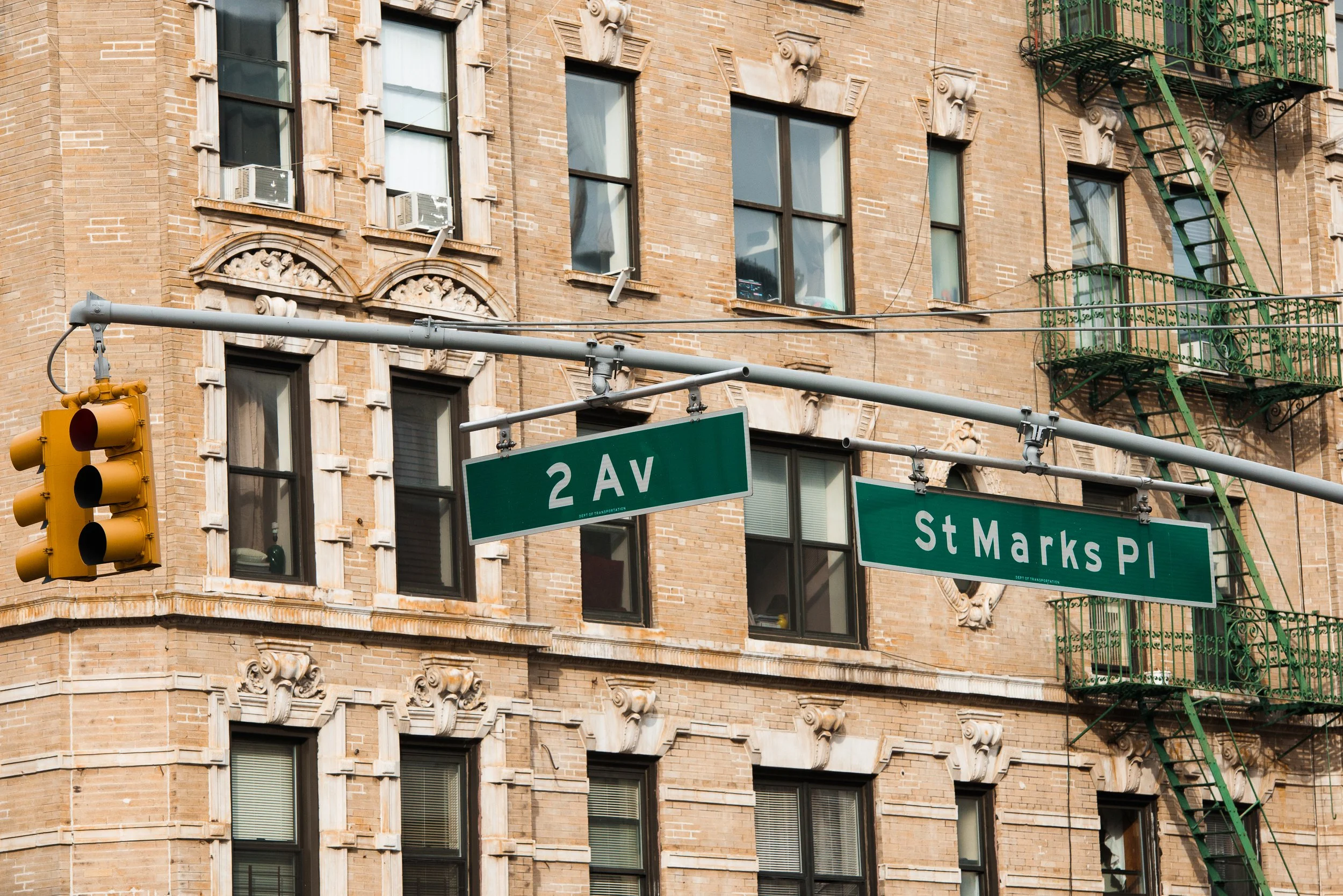
East Village
Lower East Side
Williamsburg / South Williamsburg
Harlem (Central + East)
Washington Heights / Inwood
Bed-Stuy and Bushwick
Crown Heights
That's the list. Now let's talk about why — because understanding the why is what separates buyers who get deals from buyers who get played.
Find It Fast
1 The Lower East Side: Ground Zero 2 East Village: We Know This Market Better Than Anyone 3 Harlem: The Volume King 4 Washington Heights & Inwood: Size and Breathing Room 5 Midtown West & Hell's Kitchen: The Most Overlooked HDFC Market in Manhattan 6 North Brooklyn: Williamsburg Is a Bigger HDFC Market Than You Think 7 Bed-Stuy, Crown Heights & Bushwick: Brooklyn's Deep Bench 8 The Part That Actually Matters 9 The Strategic BreakdownThe Lower East Side: Ground Zero
The LES is where it started. During the fiscal crisis of the '80s and '90s, the city began offloading distressed buildings to tenants through the HDFC program. A massive chunk of those buildings were right here — and they've been trading ever since.
What you find: 4–6 story walkups, tight-knit shareholder communities, income caps that vary wildly from one building to the next. Some are genuinely undervalued. Some are priced like the income restrictions don't exist.
For downtown inventory volume? This is the deepest pool.
East Village: We Know This Market Better Than Anyone
The East Village deserves its own conversation and honestly, it's the one we know most intimately.
This neighborhood has one of the highest concentrations of HDFC buildings in all of Manhattan below 96th Street. Same origin story as the LES — city transfers during the crisis years, buildings handed to tenants who built communities from the ground up. Those communities are still there. That history matters.
What makes the East Village different isn't just the number of buildings, it's the texture of the market. Boards here can be selective. Long-term shareholders hold tight. Real inventory doesn't sit. When a unit comes up, it moves fast, and if you don't know the building, you're already behind.
We've worked this neighborhood long enough to know the difference between an HDFC that's humming along and one that's quietly struggling — and in this market, that distinction is everything. Flip taxes, sublet restrictions, underlying mortgage status — these things aren't footnotes, they're the whole story.
If you're serious about buying or selling an HDFC in the East Village, you want someone who already knows the buildings. Not someone Googling them alongside you.
Harlem: The Volume King
If we're talking raw listing volume across the city, Harlem leads.
Central Harlem and East Harlem have a massive footprint of HDFC co-ops — many of them larger buildings with elevators and more generous square footage than you'd find downtown. More buildings means more turnover means more active listings at any given time.
For buyers who can work the AMI caps strategically and want real space at a real price, Harlem has the deepest bench. It's where you look when you want options.
Washington Heights & Inwood: Size and Breathing Room
Strong HDFC presence here, especially in prewar walkup stock. Units tend to run larger, income caps can be more moderate, and the frenzy is a notch below what you see in downtown Manhattan.
This is where I point buyers who say they want square footage and aren't married to a specific neighborhood. The value per square foot in a well-run HDFC up here can be genuinely hard to beat.
Midtown West & Hell's Kitchen: The Most Overlooked HDFC Market in Manhattan
This one surprises people. And it shouldn't.
Hell's Kitchen and Midtown West have a genuinely significant number of HDFC co-ops — and they're chronically underrepresented in the conversation. Most buyers laser in on the East Village or Harlem and sleep on what's sitting right in the 40s and 50s west of Eighth Avenue.
The history here tracks the same way: city-owned buildings in a neighborhood that went through serious distress in the '70s and '80s, transferred to tenants under the HDFC structure as the city clawed its way back. What's different about Hell's Kitchen is the building stock — you get a mix of prewar walkups and mid-rise buildings that in any other ownership structure would carry completely different price tags given their proximity to Midtown, the Hudson, and everything else this neighborhood has become.
The demand dynamics are interesting too. Hell's Kitchen has transformed dramatically — and yet the HDFC buildings sitting inside it are still operating under income restrictions that reflect a very different version of this neighborhood. That gap is real, and for the right buyer, it's meaningful.
These buildings don't come up constantly, but when they do, serious buyers need to already know the landscape. Board cultures here vary. Some buildings have been tightly managed for decades and run like clockwork. Others have more complicated histories. The difference between those two things isn't visible from a listing — it comes from knowing the buildings.
North Brooklyn: Williamsburg Is a Bigger HDFC Market Than You Think
Let's set the record straight on Williamsburg — because most of the mainstream conversation about HDFCs in Brooklyn either skips it entirely or treats it as an afterthought behind Bed-Stuy.
That's wrong.
North Brooklyn, and Williamsburg specifically, has a substantial concentration of HDFC co-ops. And South Williamsburg? Even more so. The city's conversion activity here was real and it ran deep — buildings along and off the main corridors that went through the full HDFC formation process, with shareholder communities that have been intact for decades.
South Williamsburg in particular deserves serious attention. The density of HDFC buildings in that pocket is genuinely high, and the inventory that comes to market there tends to be underpriced relative to what the neighborhood has become. You're talking about buildings in a zip code that has seen extraordinary appreciation in market-rate real estate, sitting under income structures that haven't moved at the same pace. That's the exact environment where HDFC value is clearest.
What makes the Williamsburg HDFC market complicated — and interesting — is the pressure it's under. The neighborhood's transformation has been total. The gap between what a free-market apartment rents or sells for and what an HDFC unit trades at in the same neighborhood is wider here than almost anywhere in Brooklyn. That gap attracts buyers, which means competition, which means you need to know what you're walking into before you start making offers.
Flip taxes in these buildings can be substantial. Some boards have watched the neighborhood gentrify around them and built resale structures accordingly. Others haven't. Understanding which type of building you're dealing with — before you're emotionally invested in a unit — is the whole game.
There's also something worth saying about pricing perception. In neighborhoods like Alphabet City, the market has fully caught up to the idea that an HDFC can be a genuinely special apartment — good bones, real character, a building with history — and priced it accordingly. Williamsburg and South Williamsburg haven't always gotten there yet. You can still find HDFC units here that would command serious attention and serious money in another zip code, quietly sitting under the radar because the Brooklyn HDFC market hasn't developed the same pricing consensus. That lag is an opportunity, and it won't last forever.
If you're looking at Brooklyn HDFCs and you're not including Williamsburg and South Williamsburg in your search, you're leaving real options on the table.
Bed-Stuy, Crown Heights & Bushwick: Brooklyn's Deep Bench
Bed-Stuy is where consistent resale HDFC inventory has historically lived in Brooklyn. The city conversion activity here was significant, the shareholder communities run deep, and turnover has stayed steady in a way that gives buyers real options at any given time. It's not flashy, but it's reliable — and in this market, reliable matters.
Crown Heights deserves more credit than it typically gets in the HDFC conversation. The inventory here is real. Buildings are spread across the neighborhood in a way that doesn't always make headlines but consistently produces listings — and because Crown Heights hasn't hit the same fever pitch as some other Brooklyn neighborhoods, pricing can still reflect genuine value. Buyers who know where to look here find deals that wouldn't be possible two or three neighborhoods over.
Bushwick is the one that catches people off guard. It's not the first name that comes up when people talk Brooklyn HDFCs, but the buildings are there — older converted stock, shareholder communities that have been holding it down for decades, and a neighborhood that's changed dramatically around them. The gap between what Bushwick has become at the market-rate level and what some of these HDFC units are trading at is real. That's the same dynamic we described in Williamsburg, just at a different stage of the curve.
Taken together — Williamsburg, Bed-Stuy, Crown Heights, Bushwick — Brooklyn is a more substantial HDFC market than most people treat it as. The mistake is approaching it like a single market. Each of these neighborhoods has its own inventory rhythm, its own board cultures, its own pricing logic. You need to know which pocket you're in.
The Part That Actually Matters
HDFC is not a neighborhood category. It's a building-by-building reality.
Two buildings on the same block can have completely different AMI caps — 120% versus 165% AMI isn't a minor difference, it shapes who can buy and what the resale market looks like. Flip taxes, sublet policies, primary residence requirements, financing restrictions — every building has its own version of all of this.
You don't shop HDFC by neighborhood. You shop building by building, with someone who already knows what's inside.
The Strategic Breakdown
If you want downtown energy with proven HDFC density — LES or East Village, and if it's the East Village, call us.
If you want the most listing volume and real square footage — Harlem.
If you want space and a little more room to breathe — Washington Heights or Inwood.
If you want Midtown proximity with a real HDFC discount — Hell's Kitchen and Midtown West. Don't let anyone tell you the inventory isn't there.
If Brooklyn is the play — Williamsburg and South Williamsburg first, Bed-Stuy right alongside it. North Brooklyn is a real HDFC market and it's been underrated for too long. And don't sleep on Crown Heights and Bushwick — the inventory is real, the pricing still makes sense, and they're only getting more competitive.
But wherever you're looking: the neighborhood is just the starting point. The building is where you win or lose.
Max Moondoc and his team help buyers find and purchase HDFC co-ops across New York City, and represents sellers listing HDFC apartments in the East Village, Lower East Side, Williamsburg, South Williamsburg, Hell's Kitchen, Midtown West, Harlem, Washington Heights, Inwood, Bed-Stuy, Crown Heights, and Bushwick.
Max Moondoc and his team are New York's HDFC specialists. They represent buyers and sellers in the East Village, Lower East Side, Williamsburg, South Williamsburg, Hell's Kitchen, Harlem, Washington Heights, Bed-Stuy, Crown Heights, and Bushwick. If you're buying or selling an HDFC co-op in any of these markets, we know the buildings — not just the listings.